
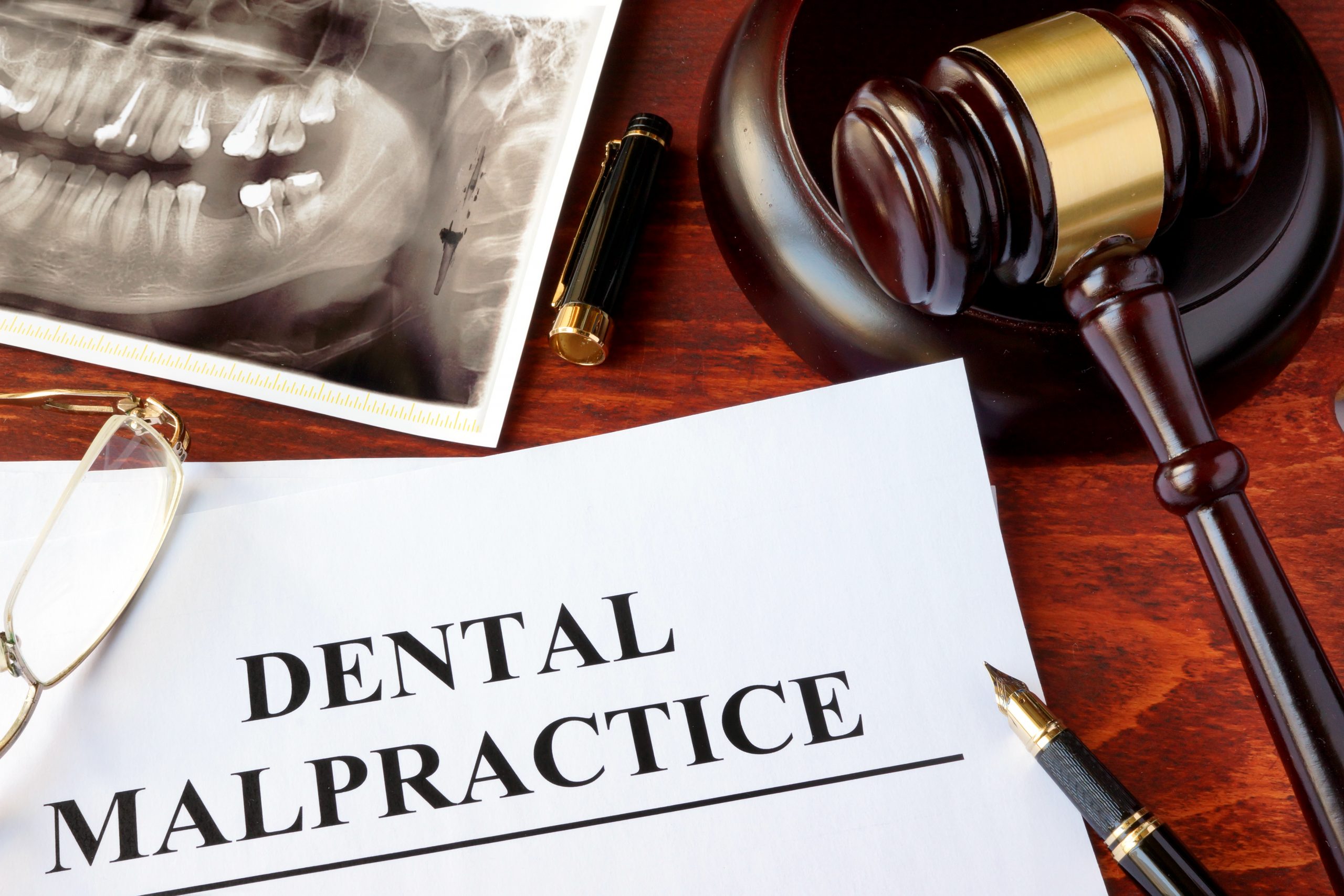
Dental visits are meant to restore health and confidence, but when care falls short, the consequences can be life-changing. Patients who suffer severe pain, infection, nerve damage, or disfigurement after treatment often struggle to understand what went wrong and how to hold providers accountable. This article breaks down the practical steps for identifying negligence, proving liability, and documenting harm so your claim is built on evidence rather than assumption. You’ll learn how expert testimony strengthens a case, what records matter most, and how damages are calculated for corrective treatment and long-term suffering. Along the way, we highlight how experienced counsel — including the team at Cohen & Malad, LLP — guides patients through Indiana’s legal process. If you’re searching for guidance from seasoned Indiana Dental Malpractice Lawyers, you’ll find a clear roadmap here.
Common examples of negligence in dental malpractice cases
Dental malpractice can arise in routine appointments as much as in complex oral surgery, and recognizing the patterns of negligence helps victims act quickly. Some of the most frequent errors involve wrong-tooth extractions, improperly placed implants, and failure to diagnose infections or oral cancers when early symptoms are recorded in the chart. Nerve injury is another hallmark problem, often tied to aggressive drilling near the inferior alveolar nerve or careless administration of local anesthesia. A breakdown in sterilization protocols can lead to cross-contamination and serious systemic infection, and lapses in informed consent also appear in many files where risks were never clearly discussed. When injuries escalate after treatment, Indiana Dental Malpractice Lawyers will ask whether the provider followed accepted practices for evaluation, planning, and post-operative monitoring.
Where dental care goes off course
Endodontic mistakes — such as perforations during root canals, instruments broken and left in the canal, or failure to fully disinfect — can result in persistent pain and tooth loss. Oral surgery errors may include sinus perforations, unmanaged bleeding, or failure to prescribe timely antibiotics, which can evolve into osteomyelitis. Patients with known allergies sometimes receive contraindicated medications or anesthetics, a preventable error when histories are reviewed thoroughly. Orthodontic care can also be negligent if excessive force or poor planning causes root resorption, gum recession, or TMJ dysfunction; similarly, poorly designed crowns or bridges can alter bite mechanics and trigger chronic jaw pain. While not every complication is malpractice, patterns such as poor documentation, missing imaging, or abrupt changes in a treatment plan without explanation often signal a breach of the standard of care.
Establishing duty of care and proving professional liability
Every malpractice case begins with the provider’s duty of care, which arises once a dentist-patient relationship is formed. That duty obligates the dentist to meet the recognized standard of care — what a reasonably prudent dental professional would do under similar circumstances. A viable claim must then show a breach of that standard, a causal link between the breach and the injury, and measurable damages. Evidence typically includes treatment notes, imaging, informed consent forms, billing records, and testimony from dental experts who clarify what should have happened versus what occurred. Firms with deep experience, such as Cohen & Malad, LLP, focus early on assembling this proof so the case moves from suspicion to substantiated liability.
Building the negligence elements with precision
Proving breach and causation is a two-step exercise: first, identify the specific act or omission that deviated from accepted practice; second, demonstrate how that deviation caused the harm. For example, an improperly planned implant that invades a nerve canal may be shown through pre- and post-op imaging, surgical guides, and manufacturer specifications, all interpreted by qualified experts. Causation becomes especially important when a patient had preexisting conditions — diabetes, periodontal disease, or prior trauma — because the defense may argue the injury was inevitable. To counter that, attorneys combine detailed timelines, contemporaneous complaints documented in the chart, and expert analysis showing the outcome would have been avoidable with competent care. Clear, methodical presentation of these elements encourages insurers to reassess risk and can help the court see not just that an error occurred, but that it directly produced the patient’s losses.
The importance of medical experts in validating claims
Malpractice cases often hinge on credible expert testimony that explains complex procedures in plain language. Dental experts define the standard of care, identify deviations, and clarify causation — they translate technical data into a narrative a judge, jury, or insurance adjuster can follow. In dental cases, the right specialist matters: endodontists for root canal errors, oral and maxillofacial surgeons for extractions and nerve injuries, prosthodontists for restoration failures, and anesthesiologists for sedation mishaps. Neurologists, radiologists, or pain specialists may also be needed to document long-term nerve damage or chronic pain syndromes stemming from treatment. Indiana Dental Malpractice Lawyers rely on this interdisciplinary approach to ensure the claim is not just medically sound, but also persuasive.
What a persuasive expert brings to the table
Effective experts do more than offer opinions — they teach. They walk through imaging slice by slice, compare pre-treatment conditions to post-treatment harm, and use accepted literature to anchor their conclusions. In jurisdictions that require pre-suit review or affidavits, those experts help validate the case early, potentially narrowing issues before litigation expands. During depositions, seasoned experts maintain clarity under pressure, avoiding speculation while reinforcing the factual basis for their views. Visual aids, such as annotated radiographs or 3D models, can make an abstract breach unmistakable, helping decision-makers see why a particular step — for example, failing to order a CBCT scan before implant placement — fell below professional norms and set the injury in motion.
How attorneys manage complex dental injury documentation
Dental cases are document-heavy, and small omissions can shift outcomes. Strong claims begin with complete records: intake forms, medical histories, imaging (panoramic X-rays, periapicals, CBCT), periodontal charts, lab prescriptions, surgical guides, and any post-operative instructions. Attorneys also request appointment logs, voicemail transcripts, and internal messaging that show how promptly the provider responded to complications. Photos, medication logs, and pain journals contributed by the patient fill gaps in the clinical record and humanize the injury’s daily impact. Indiana Dental Malpractice Lawyers integrate these sources to build a fact pattern that is both meticulous and accessible.
Transforming raw records into a compelling narrative
Once gathered, the documentation is indexed, summarized, and mapped to a timeline that highlights decision points: diagnosis, planning, consent, procedure, and follow-up. Imaging is reviewed for clarity and metadata, ensuring dates line up and no studies are missing; where images are poor or incomplete, that deficiency itself may support a claim of inadequate evaluation. Attorneys often issue preservation letters to prevent alteration of charts and request native-format data to maintain a clear chain of custody. They then align the timeline with expert commentary, showing, for instance, how a missed infection progressed from localized swelling to hospitalization because timely antibiotics or drainage were not provided. The goal is to convert technical detail into a coherent story of cause and effect that supports liability and quantifies the need for remediation.
Compensation options for corrective treatment and suffering
Damages in dental malpractice are not limited to the cost of a single procedure; they reflect a patient’s full path to recovery and the harm endured along the way. Economic losses can include emergency care, revision surgeries, prosthodontic reconstruction, medications, physical therapy for TMJ or jaw dysfunction, and lost income from time away from work. Non-economic damages account for pain, disfigurement, loss of taste or sensation, sleep disruption, and the ongoing emotional toll of visible dental trauma. When a provider’s negligence causes permanent nerve injury or substantial bone loss requiring grafts and implants, the cost of future care can be significant and must be projected carefully. Experienced firms like Cohen & Malad, LLP present these needs comprehensively so decision-makers understand both immediate and long-term impacts.
Projecting future needs with clarity
Attorneys work with treating clinicians and independent experts to outline a realistic treatment roadmap: grafting, implant placement, orthodontic realignment, occlusal therapy, or nerve repair consults, along with maintenance and potential complications. A life care plan or detailed cost analysis can account for inflation, replacement intervals for restorations, and ancillary needs like nutritional support during restricted diets. Valuation also considers how the injury affects career trajectory, caregiving responsibilities, and quality of life, particularly when speech, appearance, or chronic pain alters daily function. With a clear damages model, counsel can negotiate toward a fair settlement or present a trial-ready case that ties dollars to documented medical necessity and lived experience. In complex cases, this careful quantification ensures patients have the resources required to pursue corrective treatment, reduce symptoms, and regain stability, while holding negligent providers accountable for the consequences of substandard care.